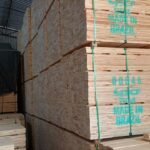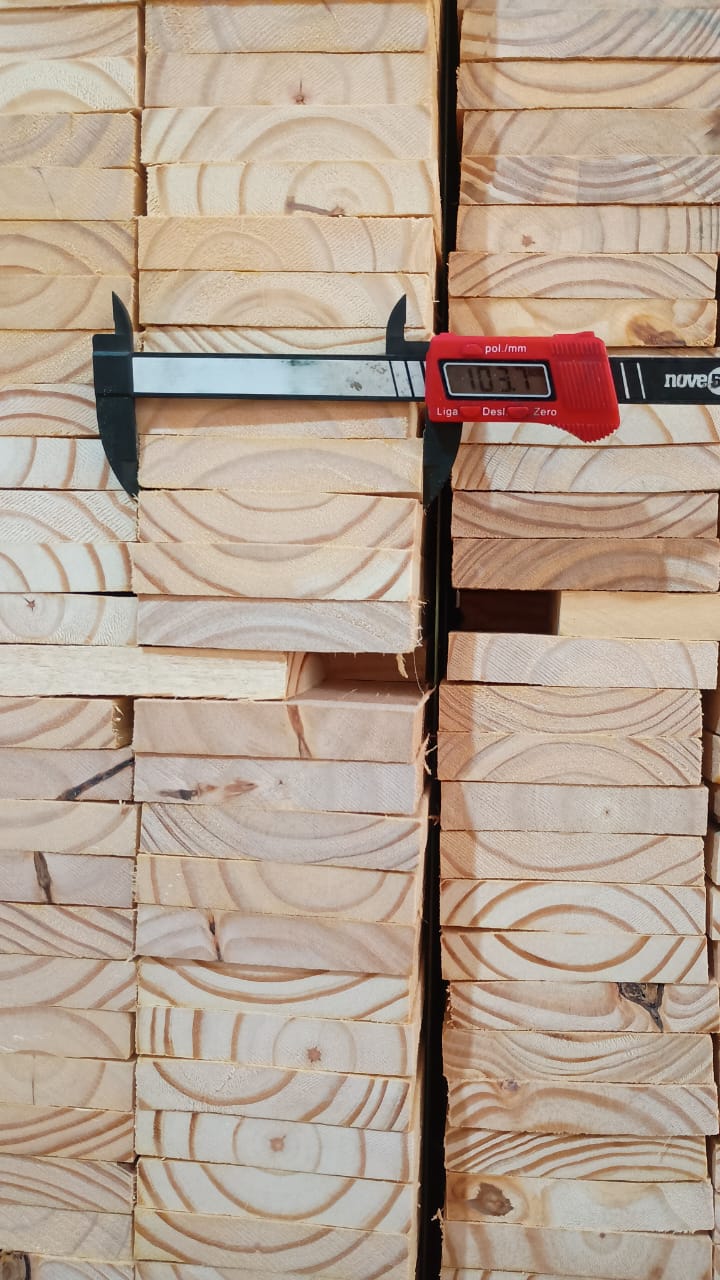


The lumber industry plays a critical role in global construction, providing essential materials for residential, commercial, and infrastructure projects. However, as sustainability concerns rise, architects and builders face increasing pressure to source wood responsibly. Sustainable lumber sourcing not only helps preserve forests but also ensures long-term availability, reduces environmental impact, and meets evolving regulatory and consumer demands.
As a leading provider of high-quality Brazilian timber, SCF Global Trade prioritizes sustainable practices to support the needs of the modern construction industry. This article explores the importance of sustainability in wood sourcing, its implications for architects and builders, and how SCF Global Trade is a reliable partner in sourcing responsibly harvested lumber.
The Importance of Sustainable Lumber Sourcing
Sustainability in the lumber industry is about more than just conservation; it directly impacts the environment, economy, and quality of construction materials. Some key reasons why sustainable sourcing matters include:
1. Environmental Protection
Deforestation is one of the biggest environmental challenges worldwide. Unsustainable logging contributes to habitat loss, biodiversity decline, and climate change. Sustainable sourcing helps protect ecosystems by:
- Promoting responsible forestry practices
- Supporting reforestation efforts
- Reducing carbon footprints through efficient land use
2. Long-Term Material Availability
Unchecked logging depletes forests, leading to wood shortages and increased costs. By prioritizing sustainable forestry, the industry ensures that future generations have access to high-quality lumber. Sustainable practices include selective harvesting and tree replanting to maintain forest health.
3. Regulatory Compliance and Certifications
Many governments and organizations enforce strict sustainability guidelines for the lumber industry. Certifications such as FSC (Forest Stewardship Council) and PEFC (Programme for the Endorsement of Forest Certification) provide assurance that wood products come from responsibly managed forests. Builders and architects who work with certified lumber can more easily meet environmental and legal standards.
4. Market Demand and Consumer Expectations
Today’s consumers prioritize eco-friendly materials, pushing the construction industry toward sustainability. Builders and developers who use responsibly sourced wood can appeal to environmentally conscious buyers and investors, enhancing their reputation and marketability.
How Sustainable Lumber Sourcing Impacts Architects and Builders
For architects and builders, sustainable lumber sourcing is not just a moral responsibility but also a strategic business decision. Here’s how it affects their work:
1. Design and Material Selection
Architects play a crucial role in specifying building materials. By choosing sustainably sourced lumber, they can:
- Enhance the environmental performance of projects
- Earn LEED (Leadership in Energy and Environmental Design) certification points
- Meet green building standards
Builders also benefit from using certified wood products, as they align with evolving building codes and regulatory requirements.
2. Cost Efficiency and Project Longevity
Sustainably sourced wood is often more durable and of higher quality due to stricter harvesting and processing standards. This reduces material waste, extends building lifespans, and improves cost efficiency over time.
3. Corporate Social Responsibility (CSR) and Brand Image
Architects and builders who incorporate sustainable materials in their projects demonstrate corporate social responsibility (CSR). This enhances their reputation, attracts eco-conscious clients, and strengthens their brand image in a competitive market.
4. Compliance with Sustainability Certifications
Many large-scale construction projects require compliance with sustainability certifications like LEED and BREEAM. Using responsibly sourced lumber helps architects and builders meet these requirements without compromising quality or project feasibility.
SCF Global Trade: A Reliable Partner in Sustainable Lumber Sourcing
At SCF Global Trade, we understand the importance of responsible lumber sourcing. Our commitment to sustainability ensures that architects, builders, and developers have access to high-quality, ethically harvested Brazilian timber. Here’s how we support our clients:
1. Ethical and Sustainable Harvesting
We source our wood from well-managed reforested areas in Brazil, ensuring minimal impact on natural forests. Our sustainable forestry practices include:
- Selective logging techniques to maintain biodiversity
- Replanting efforts to replenish harvested areas
- Adherence to strict environmental guidelines
2. Certified Quality and Compliance
Our lumber meets international sustainability certifications, including FSC and PEFC. These certifications guarantee that our timber is responsibly sourced and legally compliant, providing peace of mind to architects and builders.
3. Custom Solutions for Unique Project Needs
Every construction project is different, and we tailor our offerings to match specific client requirements. Whether it’s structural lumber, plywood, or specialty wood products, we provide customized solutions that align with sustainable building standards.
4. Transparency and Full Supply Chain Visibility
SCF Global Trade maintains transparency in sourcing, production, and logistics. We provide detailed tracking and documentation to ensure that clients know exactly where their materials come from and how they are harvested.
5. Reliable Logistics and On-Time Delivery
We understand that construction schedules are tight, and delays can be costly. Our efficient supply chain and logistics network ensure that sustainably sourced lumber reaches our clients on time, every time.
The Future of Sustainable Lumber Sourcing
As the global demand for sustainable materials increases, the lumber industry must continue evolving. Future trends in sustainable sourcing include:
- Technological Advancements: Innovations in forestry management, such as AI-driven monitoring and drone surveillance, enhance sustainability efforts.
- Greater Use of Engineered Wood Products: Cross-laminated timber (CLT) and laminated veneer lumber (LVL) provide sustainable alternatives to traditional wood products while offering superior strength and efficiency.
- Expanded Government and Corporate Initiatives: Governments and private companies are implementing stricter sustainability policies and incentives for responsible wood sourcing.
- Enhanced Traceability: Blockchain and digital tracking systems are being developed to improve transparency in the wood supply chain.
Conclusion
Sustainable lumber sourcing is no longer an option—it’s a necessity for the modern construction industry. Architects and builders must prioritize responsibly harvested wood to meet regulatory demands, maintain material availability, and satisfy eco-conscious consumers.
SCF Global Trade is committed to providing high-quality, sustainably sourced Brazilian timber that meets the needs of today’s construction professionals. With our ethical harvesting practices, certified quality, and reliable logistics, we ensure that our clients receive the best materials while supporting environmental sustainability.
For more information on our sustainable lumber offerings, visit scfbr.com or contact our team today to discuss your specific project requirements.